Latest Iran Tourism News
October 2023
Iran Considers Visa-Free Travel With Saudi Arabia and Other Countries
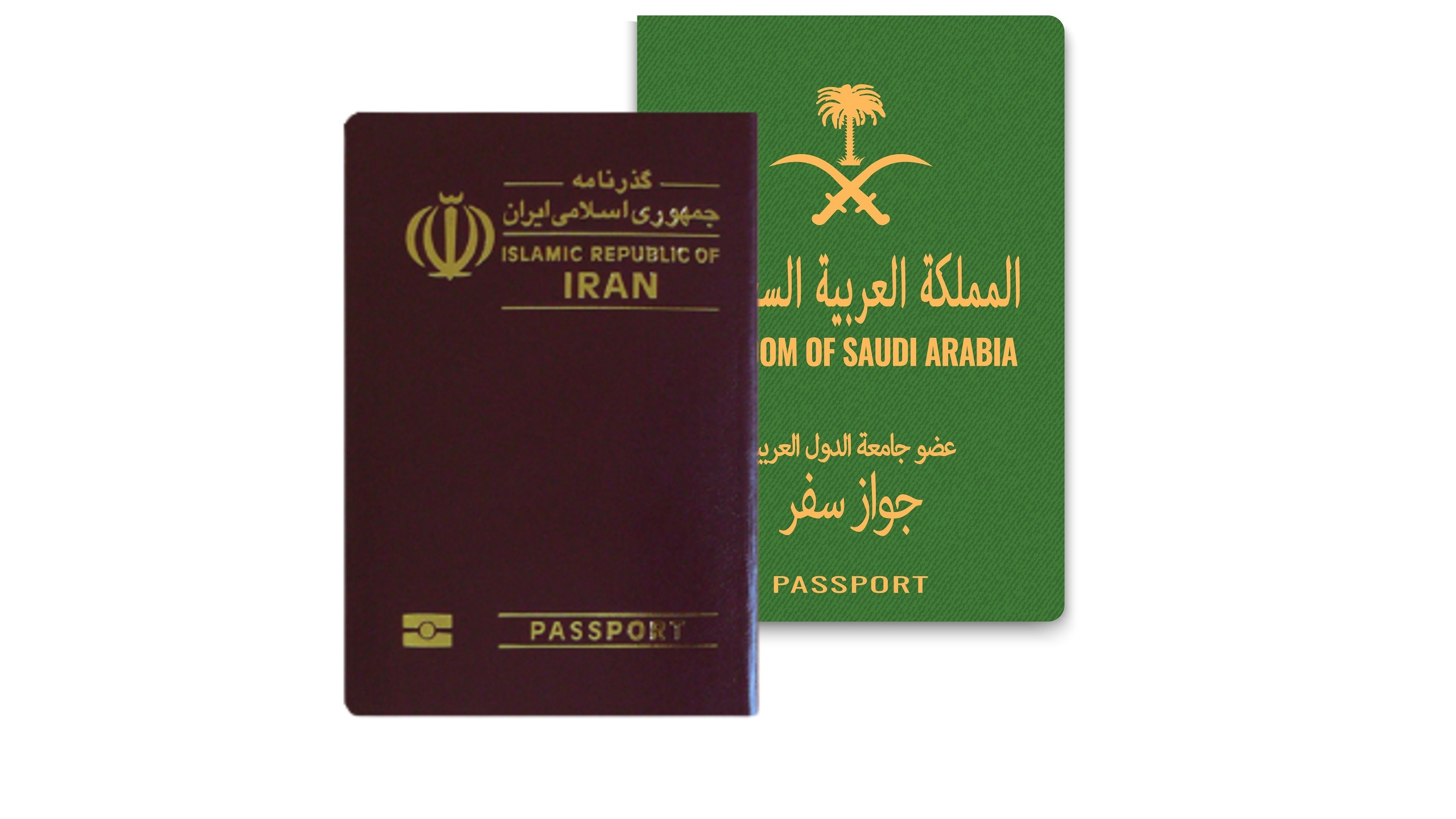
Iran is considering the removal of visa requirements with several countries, including Saudi Arabia, according to Nasser Kanaani, the Foreign Ministry spokesman. Kanaani made the announcement during a weekly press briefing in Tehran on Monday. He stated that the matter is under examination by the Iranian Foreign Ministry and that discussions have been held with related institutions to assess the political and security implications. Once evaluated, the findings will be presented to the Iranian cabinet.
Waiting time for Iran’s tourist visas shortened to one week, deputy minister says

Tehran—Iran’s deputy tourism minister has said the waiting time for the issuance of tourist visas has reduced to one week.
Photographer captures striking image of Iranian leopard in Gilan’s forests, northern Iran
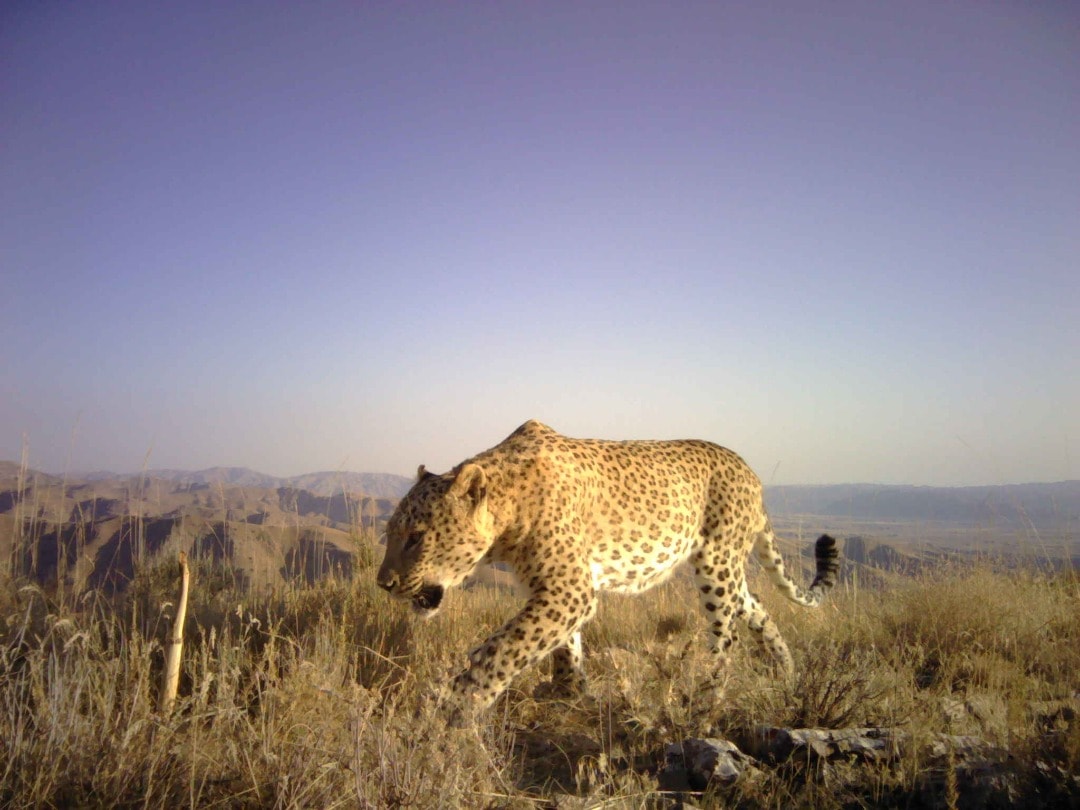
In a remarkable achievement, a skilled photographer has captured a mesmerizing image of a male Iranian leopard in the lofty forest heights of Gilan, northern Iran.
June 2023
UNESCO experts to assess Iran’s natural, historical sites
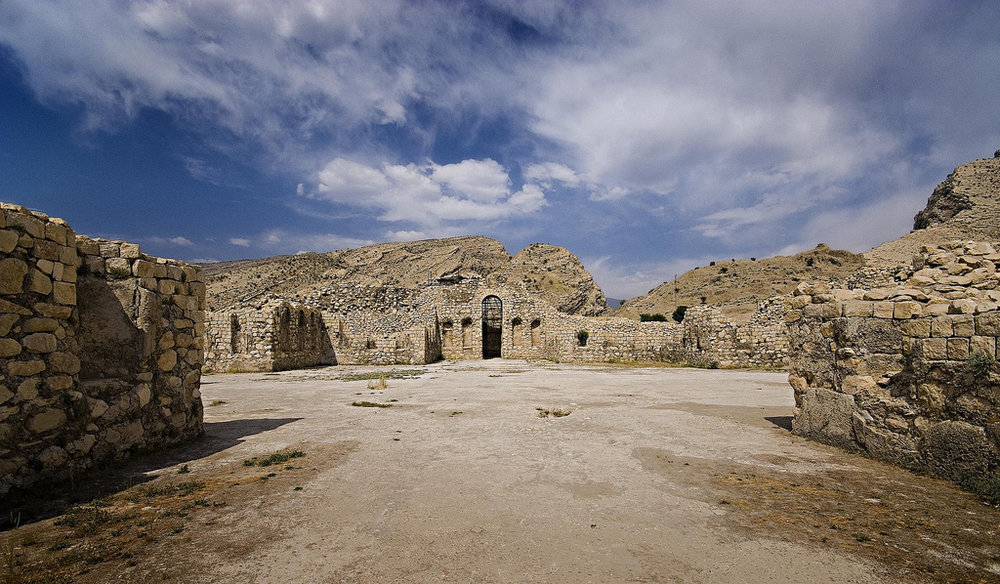
TEHRAN – A delegation of the UNESCO World Heritage specialists is scheduled to travel to Iran in summer in order to assess Arasbaran Protected Area in the northeast and the Ensemble of Historical Sassanid Cities in the south of the country.
Iran’s Sistan-Baluchestan lures tourism investors: official
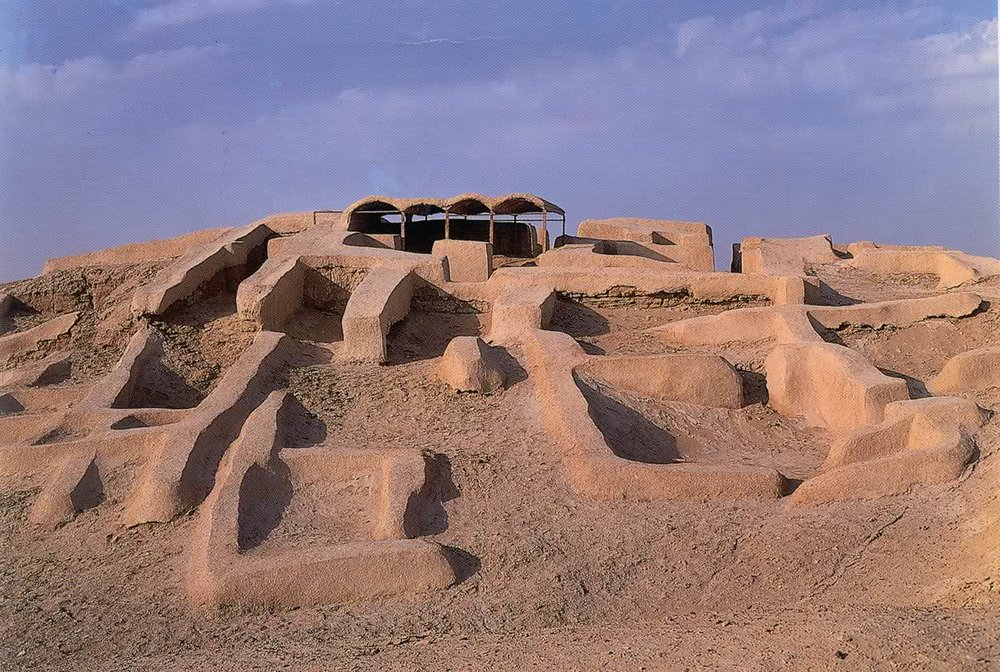
Iranian tourism authorities seek to put a new face to the province in a bid to turn the vast region into a tourist destination.
November 2022
Iran tourism enters fourth year of recession, expert says
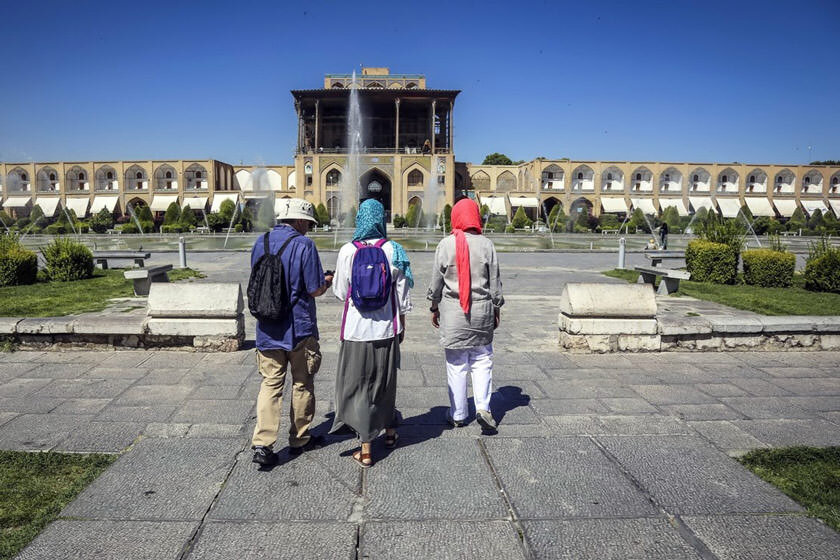
In the past four years, Iran’s tourism suffered from various upheavals including the U.S. sanctions aimed at crippling Iran’s economy, flash floods in March 2019, the assassination of General Qasem Soleimani, the downing of a Ukrainian jetliner, and ultimately the coronavirus pandemic.
October 2022
Internet Disruption Caused Cancellation Of Nearly 90% Of Tours To Iran: Official
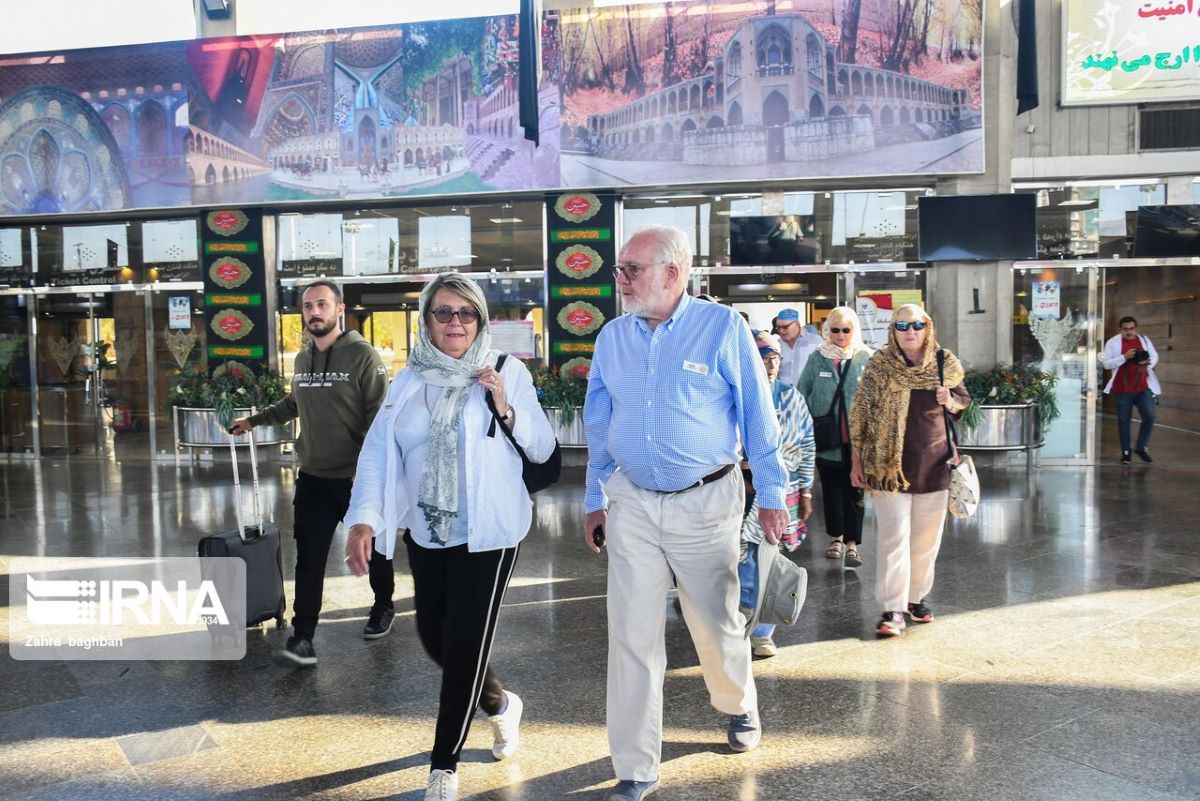
An Iranian tourism official says the disruption of internet enforced by the government amid protests in Iran have cost the country’s tourism industry dearly.
“It’s not good times for the tourism industry,” Hormatollah Rafi’ee, the president of the Association of Air Transport and Tourist Agencies of Iran, told Entekhab new outlet on Sunday, adding that in the past 38 days, nearly 90 percent of all incoming tours to the country had been cancelled.
September 2022
Iran 2021 tourism earnings ranked 19th among 185 countries
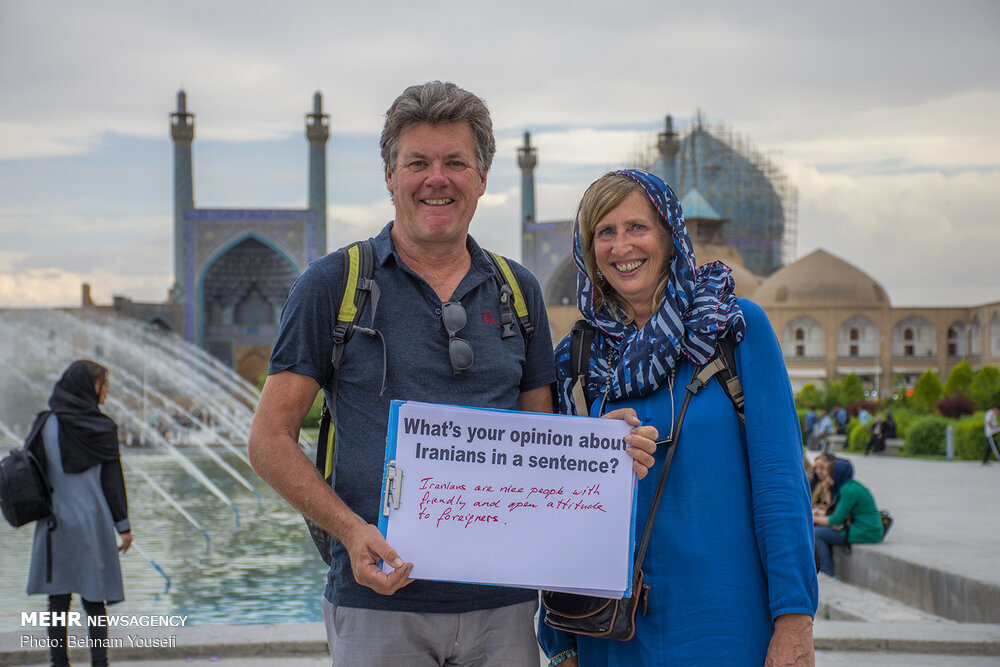
TEHRAN – Iran ranked 19th out of 185 countries in the 2021 Travel & Tourism Total Contribution to GDP Index, according to a biennial report released by the World Travel & Tourism Council (WTTC).
The Islamic Republic comes 19th with $48.1 billion in the 2021 Travel & Tourism Total Contribution to GDP Index, standing between South Korea and Switzerland, which were ranked 18th and 20th with GDP contributions of $48.8 billion and $44.5 billion, respectively.
The U.S., China, Germany, Japan, and Italy were named the top five countries of the same index. The figures from WTTC, which represents the global Travel & Tourism private sector, come from its 2021 Economic Impact Report (EIR), which lays bare the devastating impact of COVID-19 travel restrictions.
The story of how ancient Iranians harnessed the power of wind
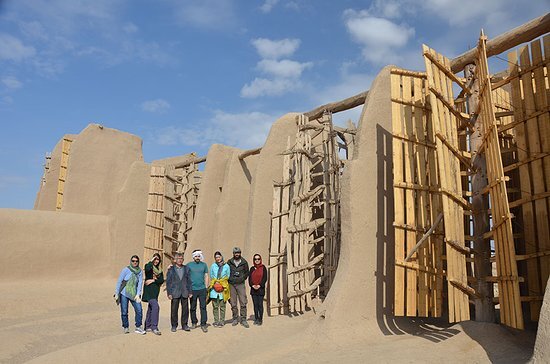
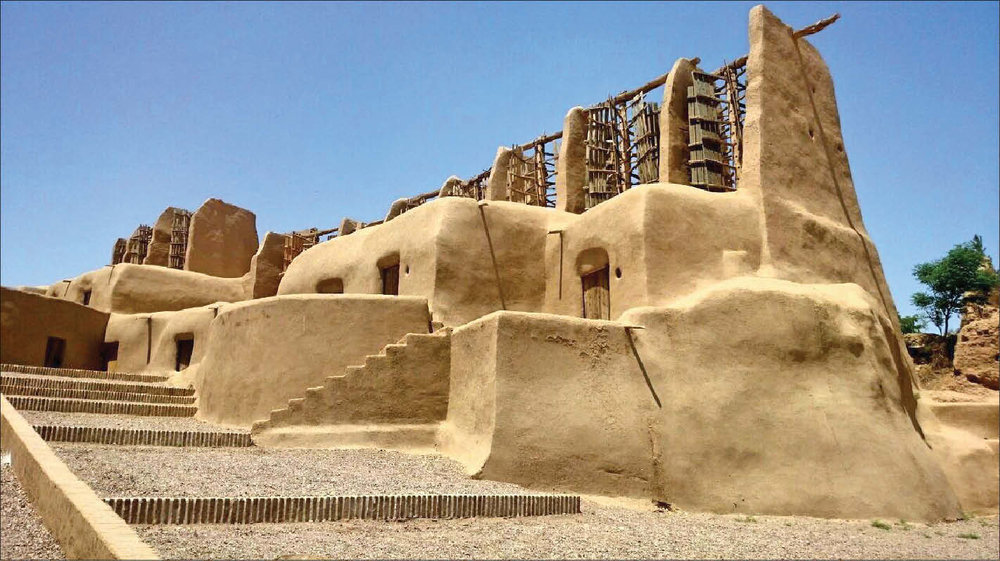
Nashtifan is situated on a semi-arid windswept plain northeast Iran, some 40 kilometers from the Afghan border. Along its southern edge, a towering earthen wall houses series of vertical axis windmills used for milling grain into flour.
The area is known for its seasonal strong winds, and in fact, the name Nashtifan is derived from words that translate to “storm’s sting.”
Constructed of clay, wood, and straw, those ancient gears which are inherited from preceding generations, are perched on a cliff overlooking the village, milling grain for centuries.
April 2018
Mashhad-Khaf tourism train in the pipeline
TEHRAN – The Islamic Republic of Iran Railways plans to operate a tourism train, which will connect the cities of Mashhad and Khaf, northeastern Khorasan Razavi Province.
The train will pass by the cities of Sabzevar, Bajestan, Tabas and some others, CHTN quoted Abolfazl Mokarramifar, the provincial tourism chief, as saying on Monday.
Iran’s Beauties in Photos: Historic Port of Kong

Kong is a beautiful port city in the central district of Bandar Lengeh County in Hormozgan Province, southern Iran.
At a 2006 census, its population was 14,881, in 2,908 families. Kong residents speak and write in Arabic, and many of them can also speak Persian.
The city has in the past centuries been a big manufacturer of wooden ships called dhow.
First Brazilian chartered flight of travelers lands in Iran
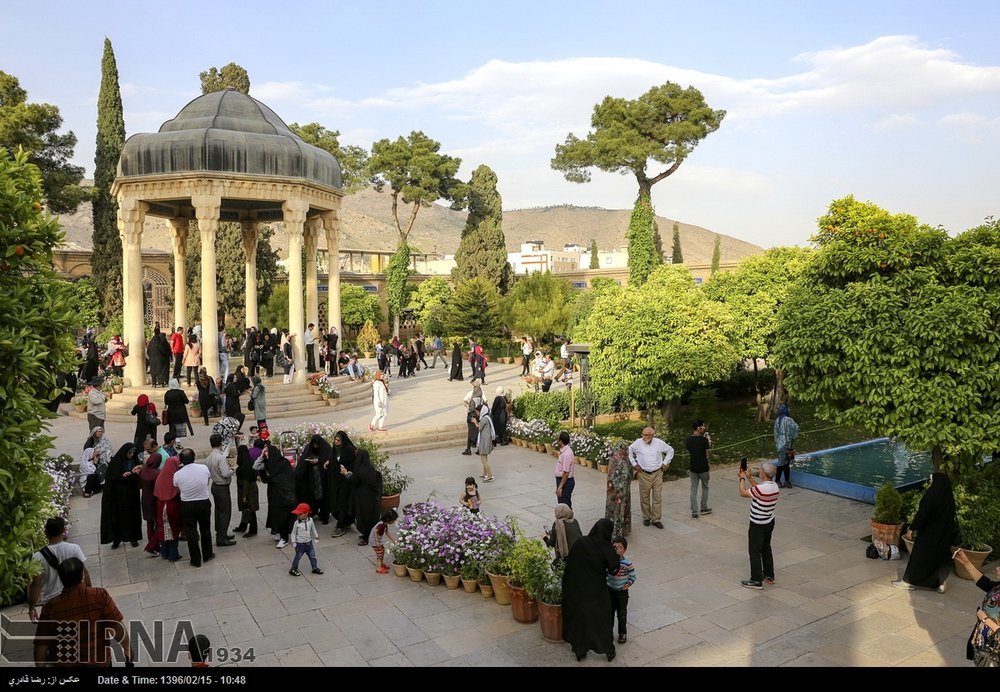
With 62 tourists and 14 crew members on board, the flight touched down in the historical city of Shiraz on Friday for a four-day tour, said Mohammad Moheb-Khodai, the deputy director of Cultural Heritage, Handicrafts and Tourism Organization.
“The travelers have previously been in Japan, China and India…heading for Italy and Morocco as their next legs of journey,” the official said.
March 2018
Virtual Operators No Rival for Private Tour Firms
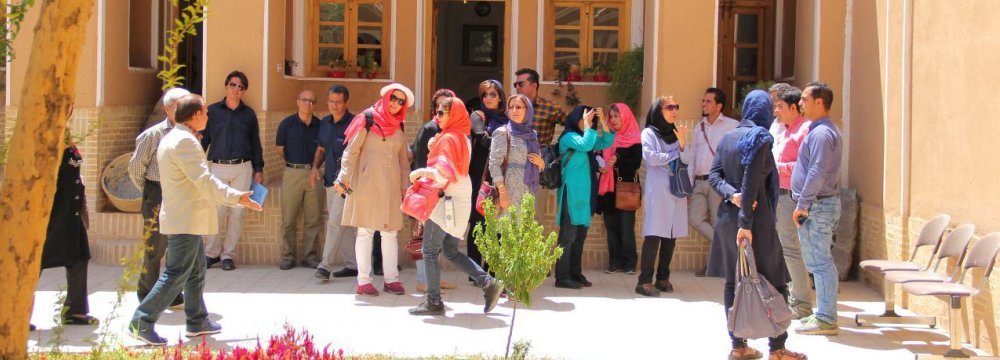
Asenior tourism official offered explanation to ease concerns among Iranian tour operators about a scheme devised by Iran’s Cultural Heritage, Handicrafts and Tourism Organization titled “virtual tour operators”.
Poor Promotion a Drag on Tourism
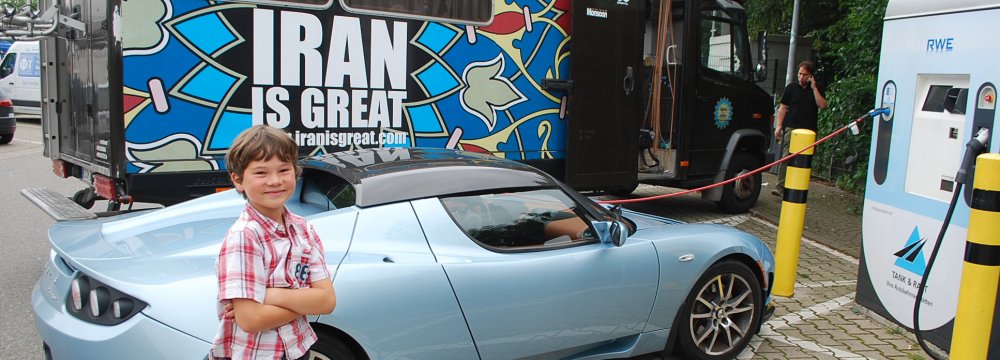
The most significant weakness of Iran’s tourism is the lackluster performance of the media in publicizing its capacities, an official with the Culture Ministry said.
Hamid Ziaeiparvar, director for media studies and planning at the ministry, said the major shortcoming in this regard is in content creation.
January 2018
Enlisting Virtual Tour Operators in the Pipeline
Iranians living abroad have been invited to submit their applications for a position as “virtual tour operators” as of January 6.
The job involves encouraging foreigners to visit Iran and earn a sum of money for each tourist that is convinced to make a trip. The effort is in line with the new scheme proposed by Iran’s Cultural Heritage, Handicrafts and Tourism Organization, to make a change in common strategies of attracting tourists. Ali Asghar Mounesan, the head of ICHHTO, labeled the project an innovative approach in the field.
Copyright © 2006 – 2024 escapefromtehran.com